Celebrating Literacy at the Inaugural Read Like a Legend Event
November 2025
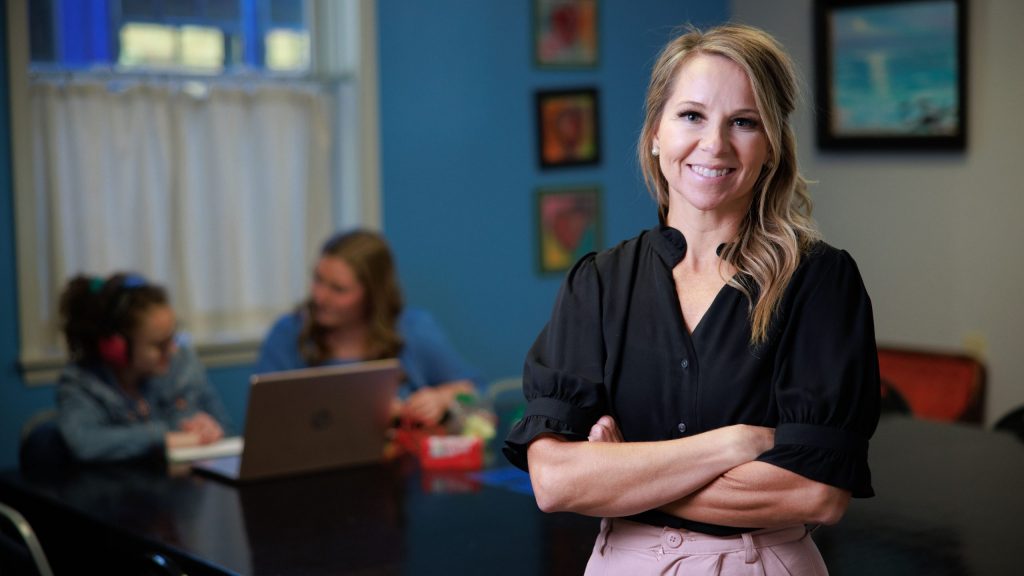
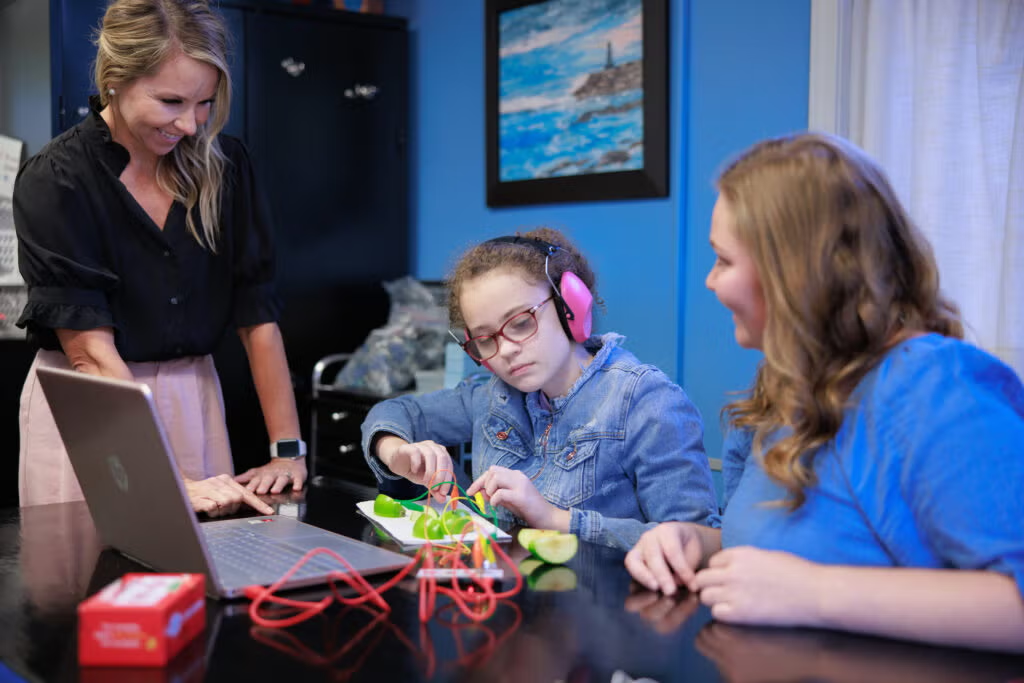
The DCoaD Literacies Lab partnered with the UA College of Education as well as numerous UA organizations and local partners to bring families, children, educators, and community members together for the inaugural Read Like a Legend Event. This exciting, hands-on celebration of literacy invited attendees to engage with storytelling, innovative technology, coding activities, crafts, and other interactive experiences that promoted literacy in West Alabama. With strong community support and enthusiastic collaboration from community groups (and even Big Al!!), Read Like a Legend was a fun and memorable success.
Read more about this event here: https://stories.ua.edu/coe-digital-magazine/issues/2025/inaugural-read-like-a-legend-event-a-successful-community-celebration-of-literacy/index.html


Supporting Roll Tide for Reading: A Collaborative Partnership Supporting Children’s Literacy Development
2025
Throughout 2025, the DCoaD Literacies Lab supported several events sponsored by Roll Tide for Reading (RTFR), a University of Alabama student organization dedicated to promoting children’s literacy across the Tuscaloosa community. The Lab partnered with RTFR on Ready, Set, GROW!, a West Alabama United Way–sponsored event that supported parents and caregivers of children under five by providing developmental screenings and resources focused on early literacy and growth. The Lab also supported Read for the Record, in which RTFR members read with elementary students at Tuscaloosa-area schools, and Operation Backpack, a donation initiative to provided 100 fully stocked backpacks to students in need throughout the community.
In addition, through its collaboration with RTFR, the DCoaD Literacies Lab helped install a Little Free Library, expanding access to free books and fostering literacy engagement in Tuscaloosa beyond the classroom.


Digital platform “Compose with AI” help students collect relevant information for digital compositions
April 2024
We are excited to announce our new digital platform “Compose with AI,” created as part of an NSF RAPID AI grant. This digital tool that guides students to critically evaluate and write with AI-generated content.
Read more about this work here:
https://dcdll.lab.ua.edu/compose-with-ai/
$1.1M grant will help bridge computer science education gap in underserved Alabama communities
April 2024 / UA College of Education Newsletter
Check out this recent publication in The University of Alabama College of Education April 2024 Newsletter of our new grant funding new computer science opportunities for students in underserved Alabama communities:
https://stories.ua.edu/coe-newsletter/editions/2024/april/index.html
The U.S. National Science Foundation’s Innovative Technology Experiences for Students and Teachers (ITEST) program recently awarded $1.1 million in funding to a grant program that will introduce young students to a hands-on physiological computing curriculum while also giving them a look at what kinds of STEM career opportunities await them in the future. This three-year project, led by Dr. Feiya Luo, Dr. Chris Crawford, and Dr. Amy Hutchison, will work toward bridging the gap that students in underserved communities experience when it comes to computer science education – specifically, for now, in Tuscaloosa City elementary schools. Professional development will be provided to more than a dozen teachers within these schools, equipping them with the knowledge, preparation, and skills needed to teach basic computer science education.
Digital Literacy For All
January 22, 2024 / by David Miller
Check out this recent publication from The University of Alabama about Fayard Endowed Chair, Dr. Amy Hutchison, and some of the projects she is working on in West Alabama to bring digital literacy opportunities to new places and new students:
https://news.ua.edu/2024/01/digital-literacy-for-all/
Since arriving at UA, Hutchison has been awarded a pair of National Science Foundation grants to help area youth improve literacy skills and use them to read and write with technology. This multi-pronged approach includes a partnership with Arts ‘n Autism in Tuscaloosa to offer computer science education to students with autism spectrum disorder. The other NSF-funded project aids in the research and development of Compose with AI, a platform to help young learners evaluate and vet AI-generated content for science-based writing.